Healthy Living
What is Self Care and why is it important? How to practice Self-Care?

-
/home2/newsvdw7/public_html/wp-content/plugins/mvp-social-buttons/mvp-social-buttons.php on line 117
- /home2/newsvdw7/public_html/wp-content/plugins/mvp-social-buttons/mvp-social-buttons.php on line 120
- /home2/newsvdw7/public_html/wp-content/plugins/mvp-social-buttons/mvp-social-buttons.php on line 123
- /home2/newsvdw7/public_html/wp-content/plugins/mvp-social-buttons/mvp-social-buttons.php on line 126
https://www.newsviewsnetwork.com/self-care-and-how-to-practice-self-care/&t=
Warning: Undefined variable $post in /home2/newsvdw7/public_html/wp-content/plugins/mvp-social-buttons/mvp-social-buttons.php on line 117
Warning: Attempt to read property "ID" on null in /home2/newsvdw7/public_html/wp-content/plugins/mvp-social-buttons/mvp-social-buttons.php on line 117
What is Self Care and why is it important? How to practice Self-Care?', 'facebookShare', 'width=626,height=436'); return false;" title="Share on Facebook">
What is Self Care and why is it important? How to practice Self-Care? &url=
Warning: Undefined variable $post in /home2/newsvdw7/public_html/wp-content/plugins/mvp-social-buttons/mvp-social-buttons.php on line 120
Warning: Attempt to read property "ID" on null in /home2/newsvdw7/public_html/wp-content/plugins/mvp-social-buttons/mvp-social-buttons.php on line 120
https://www.newsviewsnetwork.com/self-care-and-how-to-practice-self-care/', 'twitterShare', 'width=626,height=436'); return false;" title="Tweet This Post">
https://www.newsviewsnetwork.com/self-care-and-how-to-practice-self-care/&media=
Warning: Undefined variable $post in /home2/newsvdw7/public_html/wp-content/plugins/mvp-social-buttons/mvp-social-buttons.php on line 123
Warning: Attempt to read property "ID" on null in /home2/newsvdw7/public_html/wp-content/plugins/mvp-social-buttons/mvp-social-buttons.php on line 123
https://www.newsviewsnetwork.com/wp-content/uploads/pexels-madison-inouye-2821823-590x354.jpg&description=
Warning: Undefined variable $post in /home2/newsvdw7/public_html/wp-content/plugins/mvp-social-buttons/mvp-social-buttons.php on line 123
Warning: Attempt to read property "ID" on null in /home2/newsvdw7/public_html/wp-content/plugins/mvp-social-buttons/mvp-social-buttons.php on line 123
What is Self Care and why is it important? How to practice Self-Care?', 'pinterestShare', 'width=750,height=350'); return false;" title="Pin This Post">
What is Self Care and why is it important? How to practice Self-Care?&BODY=I found this article interesting and thought of sharing it with you. Check it out:
Warning: Undefined variable $post in /home2/newsvdw7/public_html/wp-content/plugins/mvp-social-buttons/mvp-social-buttons.php on line 126
Warning: Attempt to read property "ID" on null in /home2/newsvdw7/public_html/wp-content/plugins/mvp-social-buttons/mvp-social-buttons.php on line 126
https://www.newsviewsnetwork.com/self-care-and-how-to-practice-self-care/">
There is no beating around the bush – our collective mental health has gone for a toss in the past years.
As the world came to grips with a generation-defining crisis, the world’s crumbling healthcare system and poor international cooperation was brought to life. Silver lining arrived in 2021 in the form of the covid vaccine, but the war is far from over.
Many experts believe that there is another issue looming around the corner – a mental health crisis. This is why self-care is more important than ever.
Our Minds Now and Self Care

Feeling – muddled? foggy? You’re not alone
Not only is the new normal gone, normal life has gotten harder. Two very telling articles opened up the doors to what this global crisis has done to our mental well being.
Ellen Cushing, writing for The Atlantic, detailed how she found an alarming increase in her forgetfulness and disorientation, only to find others undergoing the same thing. In part, this is the human brain at its evolutionary best. Our minds are in survival mode, fighting the uncertainty of everyday.
There is simply no space for what used to be. Instead of novelty and activity, our brains have to content with near-endless stress, which manifests in more than just panic or intrusive thoughts. Sometimes, as neuroscientist Mike Yassa says in the article it is just numbness and heaviness.
Boredom the bane of the human mind, and despite the privilege of internet, people miss being out and doing things.
Two months after the above article, Adam Grant wrote about languishing for the New York Times. Calling it the ‘middle child of mental health’, the Shakespearean word indicates, again, a sense of stagnation and emptiness, this time on a more emotional level.
Despite the news of the covid vaccine, many did not find happiness or enthusiasm. But, they weren’t really depressed or had an anxiety disorder. No, they were just – existing.
As the second wave finally calmed down in India, many individuals were experiencing both fogginess and languishing. After the intense battle that wrecked havoc on so many, our brains and body may have to let go of the fight and flight response, but that doesn’t mean we are ready to get back to our normal selves.
Not only does it feel wrong, it feels slightly out of reach, like you have to tread through muddy waters just to get to an unfocused goal.
How to practice Self-Care?

Flow can be the antidote to languishing
Yes, always. We may be suffering, but the human race is nothing if not enduring. Our minds can undergo the most painful experiences and emerge back up again. How? Here are a few tricks experts suggest help –
1. Name It
Mental health is intensely taboo in India. But if we don’t open up soon, we will pay the price for it. It is time to give our emotions a name. Labels such as languishing and fogginess are not just fancy terms used by authors and researchers. They help us understand what we are going through, and why.
They help us normalize experiences by showing us that we are not alone in them. Socially acceptable conversations around mental health that goes beyond disorders and engages in the complexities of everyday life is essential.
2. Seek Professionals
Unlike what many believe, psychologists and counsellors do not only deal with clinical disorders. Languishing, fogginess, a general lack of interest or directions are all worthy of professional attention. But, it is essential that you seek proper professionals.
Unfortunately, the pandemic has led to a rise in influencers and cash-grabbers who portray themselves as somebody capable of providing help. Remember that only RCI approved individuals have the right to practice, as mental health professionals in India.
3. Get Flow
Flow, conceptualized by Mihaly Csikszentmihalyi, is a state of pure immersion in an activity. As you can imagine, flow is a banisher of languishing. It promotes focus, happiness and motivation, and helps in prevention of boredom.
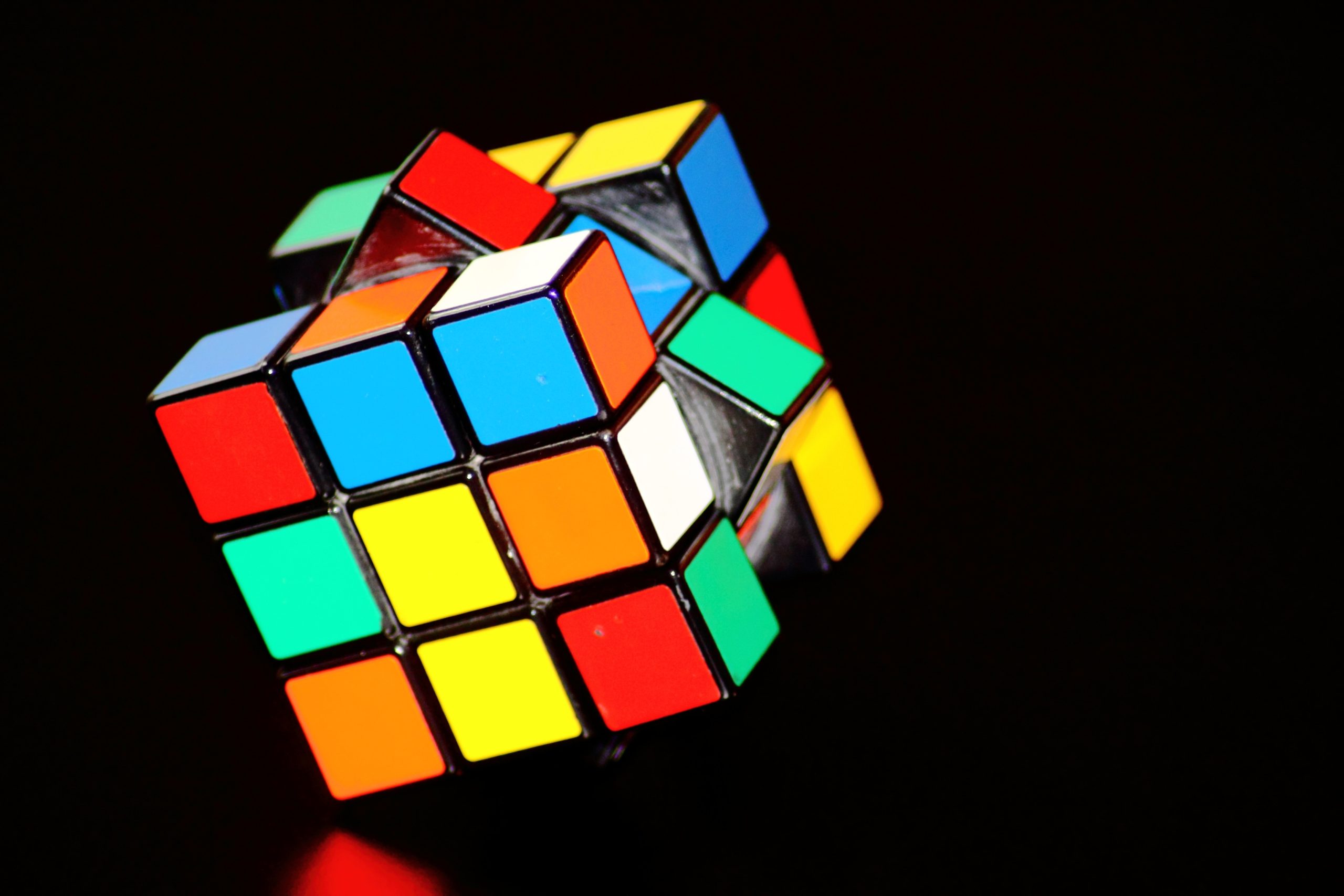
Flow can come from anything and everything – watching TV, completing puzzles, painting, reading, anything that makes you feel immersed and fulfilled. Give different activities a try, and see what gets you in your groove.
4. No, This is Not the Time to Hustle
At the onset of the lockdown, many influencers and go-getters were of the attitude that people should be getting more done because they have more free time at hand.
Of course, what they conveniently left out is the blurring line between home and work, increased anxiety about the pandemic, caregiver stress, managing family and kids, and as discussed above, the mental toll of the pandemic. Keeping your expectations realistic is very important to managing stress.
5. Create Routines
Routines are our friends. They give us familiarity and goals, and can help us structure our thoughts during muddling times. Don’t hesitate to create clear boundaries between work and home, family & me-time. Communication with compassion, and mutual compromise can help you set up your life to be much less stressful and worrisome.
6. Stay in the Present
What will the next few days bring? This already loaded question almost feels too heavy in these uncertain times. Instead of mulling and worrying about what may be, focus on what you have today and on the things you can control.
Mindfulness, meditation, and physical exercise, along with flow activities discussed above, can help you stay in the present and stop worrying about things that may never come to pass.
Times are hard, and their toll on our mental health is very evident. However, we can still emerge victorious if we allow ourselves to feel and heal.
-
/home2/newsvdw7/public_html/wp-content/plugins/mvp-social-buttons/mvp-social-buttons.php on line 117
- /home2/newsvdw7/public_html/wp-content/plugins/mvp-social-buttons/mvp-social-buttons.php on line 120
- /home2/newsvdw7/public_html/wp-content/plugins/mvp-social-buttons/mvp-social-buttons.php on line 123
- /home2/newsvdw7/public_html/wp-content/plugins/mvp-social-buttons/mvp-social-buttons.php on line 126
https://www.newsviewsnetwork.com/self-care-and-how-to-practice-self-care/&t=
Warning: Undefined variable $post in /home2/newsvdw7/public_html/wp-content/plugins/mvp-social-buttons/mvp-social-buttons.php on line 117
Warning: Attempt to read property "ID" on null in /home2/newsvdw7/public_html/wp-content/plugins/mvp-social-buttons/mvp-social-buttons.php on line 117
What is Self Care and why is it important? How to practice Self-Care?', 'facebookShare', 'width=626,height=436'); return false;" title="Share on Facebook">
What is Self Care and why is it important? How to practice Self-Care? &url=
Warning: Undefined variable $post in /home2/newsvdw7/public_html/wp-content/plugins/mvp-social-buttons/mvp-social-buttons.php on line 120
Warning: Attempt to read property "ID" on null in /home2/newsvdw7/public_html/wp-content/plugins/mvp-social-buttons/mvp-social-buttons.php on line 120
https://www.newsviewsnetwork.com/self-care-and-how-to-practice-self-care/', 'twitterShare', 'width=626,height=436'); return false;" title="Tweet This Post">
https://www.newsviewsnetwork.com/self-care-and-how-to-practice-self-care/&media=
Warning: Undefined variable $post in /home2/newsvdw7/public_html/wp-content/plugins/mvp-social-buttons/mvp-social-buttons.php on line 123
Warning: Attempt to read property "ID" on null in /home2/newsvdw7/public_html/wp-content/plugins/mvp-social-buttons/mvp-social-buttons.php on line 123
https://www.newsviewsnetwork.com/wp-content/uploads/pexels-madison-inouye-2821823-590x354.jpg&description=
Warning: Undefined variable $post in /home2/newsvdw7/public_html/wp-content/plugins/mvp-social-buttons/mvp-social-buttons.php on line 123
Warning: Attempt to read property "ID" on null in /home2/newsvdw7/public_html/wp-content/plugins/mvp-social-buttons/mvp-social-buttons.php on line 123
What is Self Care and why is it important? How to practice Self-Care?', 'pinterestShare', 'width=750,height=350'); return false;" title="Pin This Post">
What is Self Care and why is it important? How to practice Self-Care?&BODY=I found this article interesting and thought of sharing it with you. Check it out:
Warning: Undefined variable $post in /home2/newsvdw7/public_html/wp-content/plugins/mvp-social-buttons/mvp-social-buttons.php on line 126
Warning: Attempt to read property "ID" on null in /home2/newsvdw7/public_html/wp-content/plugins/mvp-social-buttons/mvp-social-buttons.php on line 126
https://www.newsviewsnetwork.com/self-care-and-how-to-practice-self-care/">