EDITOR'S PICK
How to Spot, Identify and Avoid Fake News?

-
/home2/newsvdw7/public_html/wp-content/plugins/mvp-social-buttons/mvp-social-buttons.php on line 117
- /home2/newsvdw7/public_html/wp-content/plugins/mvp-social-buttons/mvp-social-buttons.php on line 120
- /home2/newsvdw7/public_html/wp-content/plugins/mvp-social-buttons/mvp-social-buttons.php on line 123
- /home2/newsvdw7/public_html/wp-content/plugins/mvp-social-buttons/mvp-social-buttons.php on line 126
https://www.newsviewsnetwork.com/how-to-spot-identify-and-avoid-fake-news/&t=
Warning: Undefined variable $post in /home2/newsvdw7/public_html/wp-content/plugins/mvp-social-buttons/mvp-social-buttons.php on line 117
Warning: Attempt to read property "ID" on null in /home2/newsvdw7/public_html/wp-content/plugins/mvp-social-buttons/mvp-social-buttons.php on line 117
How to Spot, Identify and Avoid Fake News?', 'facebookShare', 'width=626,height=436'); return false;" title="Share on Facebook">
How to Spot, Identify and Avoid Fake News? &url=
Warning: Undefined variable $post in /home2/newsvdw7/public_html/wp-content/plugins/mvp-social-buttons/mvp-social-buttons.php on line 120
Warning: Attempt to read property "ID" on null in /home2/newsvdw7/public_html/wp-content/plugins/mvp-social-buttons/mvp-social-buttons.php on line 120
https://www.newsviewsnetwork.com/how-to-spot-identify-and-avoid-fake-news/', 'twitterShare', 'width=626,height=436'); return false;" title="Tweet This Post">
https://www.newsviewsnetwork.com/how-to-spot-identify-and-avoid-fake-news/&media=
Warning: Undefined variable $post in /home2/newsvdw7/public_html/wp-content/plugins/mvp-social-buttons/mvp-social-buttons.php on line 123
Warning: Attempt to read property "ID" on null in /home2/newsvdw7/public_html/wp-content/plugins/mvp-social-buttons/mvp-social-buttons.php on line 123
https://www.newsviewsnetwork.com/wp-content/uploads/fake-fact-590x354.jpg&description=
Warning: Undefined variable $post in /home2/newsvdw7/public_html/wp-content/plugins/mvp-social-buttons/mvp-social-buttons.php on line 123
Warning: Attempt to read property "ID" on null in /home2/newsvdw7/public_html/wp-content/plugins/mvp-social-buttons/mvp-social-buttons.php on line 123
How to Spot, Identify and Avoid Fake News?', 'pinterestShare', 'width=750,height=350'); return false;" title="Pin This Post">
How to Spot, Identify and Avoid Fake News?&BODY=I found this article interesting and thought of sharing it with you. Check it out:
Warning: Undefined variable $post in /home2/newsvdw7/public_html/wp-content/plugins/mvp-social-buttons/mvp-social-buttons.php on line 126
Warning: Attempt to read property "ID" on null in /home2/newsvdw7/public_html/wp-content/plugins/mvp-social-buttons/mvp-social-buttons.php on line 126
https://www.newsviewsnetwork.com/how-to-spot-identify-and-avoid-fake-news/">
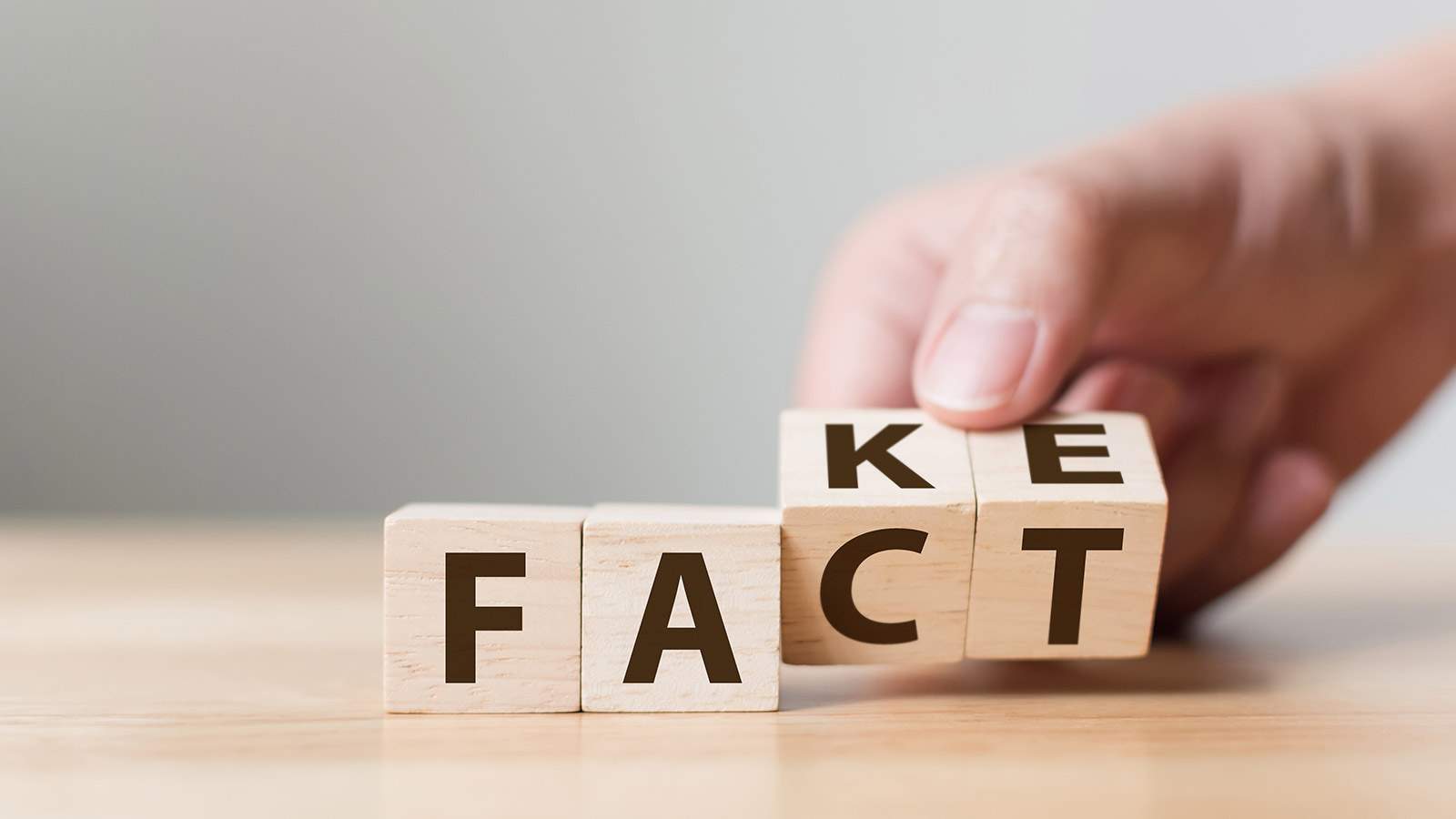
Fake news – or as it was called in the good old days, peddling lies – is perhaps one of the most significant challenges of the digital age. From innocuous celebrity articles designed to clickbait for views, to massive operations aimed at swaying political and social opinion, fake news has become very difficult to control.
It is undertaken by virtually every second source of information, proliferates across social media channels like wildfire, and simply becomes fact for most people involved. How can you protect yourself from these webs of lies? Here are the 7 strategies to help you distinguish fact from convincing fiction.
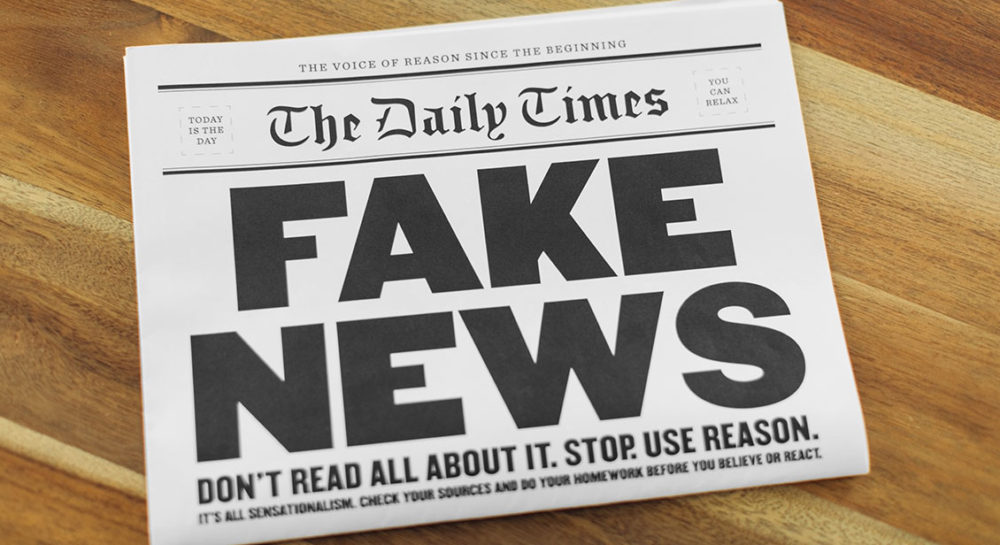
Fake news is designed to provoke emotions rather than thinking.
See the Source
Now, this does not mean that some sources of information are infallible. However on the whole, sources such as The Indian Express, New York Times, and Al Jazeera are much less likely to peddle false information as compared to, say, www.dontbesheep.com.
If you come across a new source of information, take some time to assess the source itself. How long has it been around for? What other topics has it covered? Is there an author attached to the article? How is the language of the article in terms of grammar and comprehension. Is the website a well-designed one, or is it riddled with ads?
Newer social media accounts and websites with poorly written, anonymous articles are much more likely to create fake news.
Check the Agenda
Let’s take an example. Say you want to see what kind of home-cooked diet you can give to your pet. You do a simple Google search. Immediately, you are horrified to discover that virtually all websites you come across say that home-cooked food is the worst option you can give to your pet. But did you check who is writing these blogs?
You’d be surprised to discover that most of them are associated with, you guessed it, packaged dog food companies. Though both packaged and home food have their own benefits and disadvantages for dogs, these websites only tell you one angle – the angle that benefits them the most.
So the next time you come across a piece of dubious information, see who stands to benefit from it as a basic fact check.
Lies, Damned Lies, and Statistics
97% people believe that climate change is not an issue, says a proud new declaration on the website of an oil company. Stop and think. 97% of what people? The whole world? A country? A block?
Or the employees of the oil company itself, who will lose their jobs if people were to switch to solar? The game of statistics makes it very easy to make compelling arguments, because you can hide a lot of information behind a simple number.
In the above case for example, 15 CEOs of oil companies may have been surveyed and 13 of them may have dismissed climate change. The fat figure of 97% would then be slapped on news pages, but doesn’t this just essentially boil down to fake news?
Emotional Manipulation
Many articles try to disguise their fake news by being emotionally manipulative. They exaggerate hurt or injuries, give a false sense of alarm or urgency, or create continuity and correlation where none exist.
If an article is making you feel angry, depressed or reactive, take a moment and ask yourself – is it your natural reaction, or are you being strong-armed by fake news? You might be surprised to find out that it is the latter rather than the former.
A little fact check goes a long way.
Who is Being Quoted?
Another very critical information that should be used for fact-checking is the source. All pieces get their information from somewhere, and the reliable platforms always make a point to tell you where their news is coming from. Even when they are interviewing anonymously, there is an editor or reporter who takes accountability for the content.
A good news source should be able to get you back to the first person who broke the information to the world. On the other hand, those who peddle fake news will quote random people, or take quotes heavily out of context. They might even invent people and positions to support their claim when none exist.
Social Media
Social media can often be a great source of first-hand information. This is becoming even more crucial today, when protestors and civil rights activists often use social media to bring out the truth – then state-sponsored media puts censorship in place.
However, sources and narratives can quickly get lost on these platforms, and a few hundred bots working together can make anything seem authentic and reliable online. If you do come across something outrageous on social media, take some time to do a search.
Is there anything being reported on the topic outside the bounds of the platform? You might be surprised at how often social media becomes an echo-chamber of fake news.
Use Aids
If fact-checking seems too hard, don’t worry. There are a number of extensions and websites that you can use to check the stories that you come across. While these may not be completely fool-proof, they are a great way to filter out the nonsense and give you an idea of what responsible fact checking is.
Over time, you should be able to develop a personal repository of reliable source of information that you can count on. Now that you have these strategies in mind, you will no longer be fooled. So go out into the world confidently, and don’t hesitate to fact check and call out fake news peddlers.
-
/home2/newsvdw7/public_html/wp-content/plugins/mvp-social-buttons/mvp-social-buttons.php on line 117
- /home2/newsvdw7/public_html/wp-content/plugins/mvp-social-buttons/mvp-social-buttons.php on line 120
- /home2/newsvdw7/public_html/wp-content/plugins/mvp-social-buttons/mvp-social-buttons.php on line 123
- /home2/newsvdw7/public_html/wp-content/plugins/mvp-social-buttons/mvp-social-buttons.php on line 126
https://www.newsviewsnetwork.com/how-to-spot-identify-and-avoid-fake-news/&t=
Warning: Undefined variable $post in /home2/newsvdw7/public_html/wp-content/plugins/mvp-social-buttons/mvp-social-buttons.php on line 117
Warning: Attempt to read property "ID" on null in /home2/newsvdw7/public_html/wp-content/plugins/mvp-social-buttons/mvp-social-buttons.php on line 117
How to Spot, Identify and Avoid Fake News?', 'facebookShare', 'width=626,height=436'); return false;" title="Share on Facebook">
How to Spot, Identify and Avoid Fake News? &url=
Warning: Undefined variable $post in /home2/newsvdw7/public_html/wp-content/plugins/mvp-social-buttons/mvp-social-buttons.php on line 120
Warning: Attempt to read property "ID" on null in /home2/newsvdw7/public_html/wp-content/plugins/mvp-social-buttons/mvp-social-buttons.php on line 120
https://www.newsviewsnetwork.com/how-to-spot-identify-and-avoid-fake-news/', 'twitterShare', 'width=626,height=436'); return false;" title="Tweet This Post">
https://www.newsviewsnetwork.com/how-to-spot-identify-and-avoid-fake-news/&media=
Warning: Undefined variable $post in /home2/newsvdw7/public_html/wp-content/plugins/mvp-social-buttons/mvp-social-buttons.php on line 123
Warning: Attempt to read property "ID" on null in /home2/newsvdw7/public_html/wp-content/plugins/mvp-social-buttons/mvp-social-buttons.php on line 123
https://www.newsviewsnetwork.com/wp-content/uploads/fake-fact-590x354.jpg&description=
Warning: Undefined variable $post in /home2/newsvdw7/public_html/wp-content/plugins/mvp-social-buttons/mvp-social-buttons.php on line 123
Warning: Attempt to read property "ID" on null in /home2/newsvdw7/public_html/wp-content/plugins/mvp-social-buttons/mvp-social-buttons.php on line 123
How to Spot, Identify and Avoid Fake News?', 'pinterestShare', 'width=750,height=350'); return false;" title="Pin This Post">
How to Spot, Identify and Avoid Fake News?&BODY=I found this article interesting and thought of sharing it with you. Check it out:
Warning: Undefined variable $post in /home2/newsvdw7/public_html/wp-content/plugins/mvp-social-buttons/mvp-social-buttons.php on line 126
Warning: Attempt to read property "ID" on null in /home2/newsvdw7/public_html/wp-content/plugins/mvp-social-buttons/mvp-social-buttons.php on line 126
https://www.newsviewsnetwork.com/how-to-spot-identify-and-avoid-fake-news/">